
The Science of Movement: Sports Engineering for Inclusive Performance
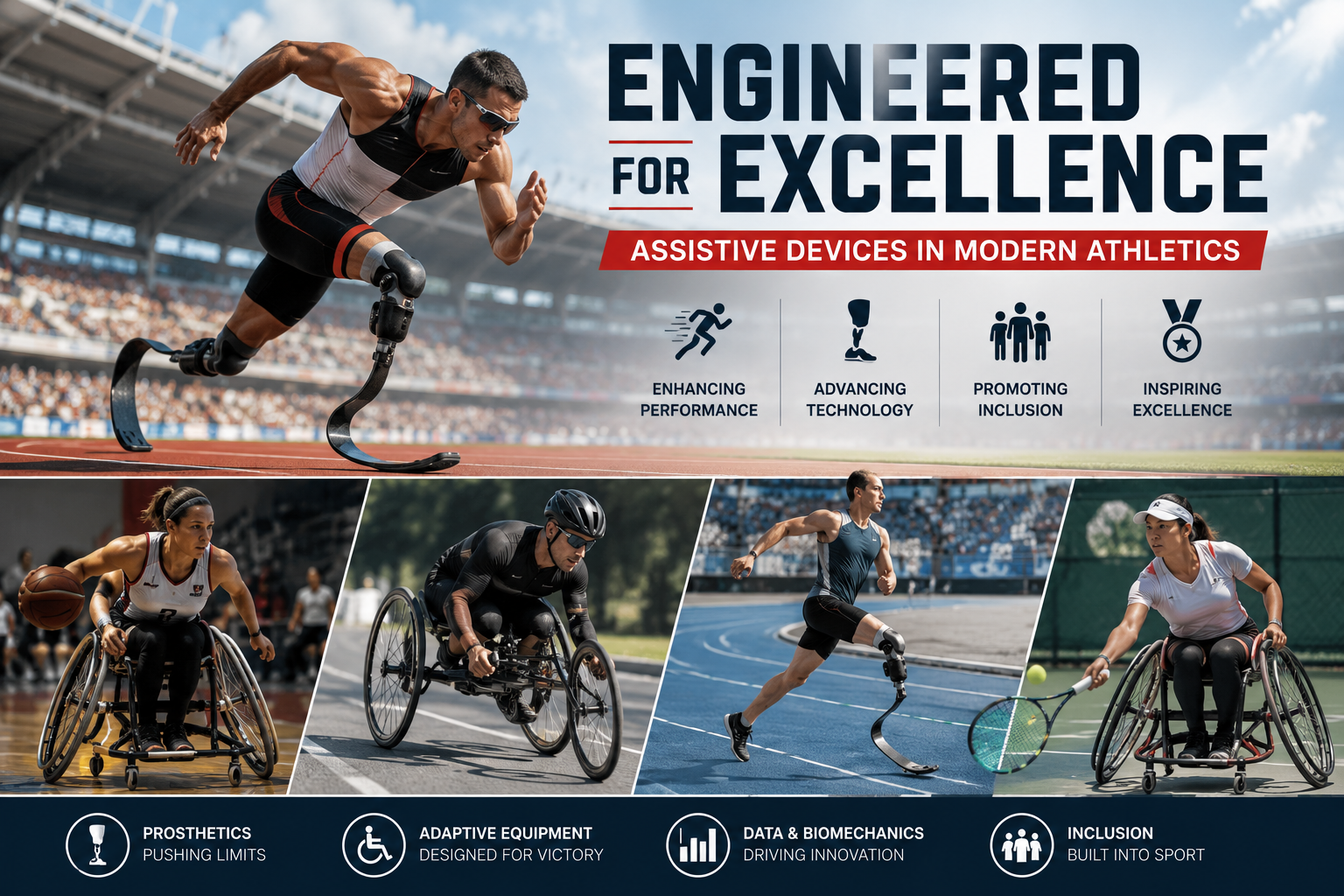
Sports engineering is a rapidly evolving field that combines biomechanics, materials science, robotics, data analytics, and human physiology to enhance athletic performance and improve the overall sporting experience. While sports engineering benefits athletes across all levels of competition, it has become particularly transformative in adaptive sports, where innovative technologies help athletes with disabilities overcome physical barriers and reach new levels of achievement. By merging scientific research with practical athletic applications, sports engineering is redefining what is possible in competitive and recreational sports alike.
At the heart of sports engineering is the study of human movement. Engineers and sports scientists analyze how athletes run, jump, throw, cycle, and perform complex movements to better understand the mechanics behind peak performance. This knowledge is then applied to the design of specialized equipment that improves efficiency, comfort, safety, and speed. In adaptive sports, these advancements are especially important because equipment often serves as a direct extension of an athlete's body, making precision engineering essential for both performance and functionality.
One of the most significant contributions of sports engineering to adaptive athletics is the development of advanced prosthetic technology. Modern athletic prosthetics are engineered using lightweight materials such as carbon fiber, titanium, and composite polymers that provide exceptional strength while minimizing weight. Running blades, for example, are specifically designed to store and release energy during each stride, helping athletes generate momentum and maintain speed. These prosthetics are carefully customized to match an athlete's body structure, sport, and performance objectives, allowing for greater comfort, balance, and control during competition.
Adaptive wheelchairs represent another remarkable achievement in sports engineering. Unlike standard wheelchairs, sports-specific models are designed to meet the unique demands of activities such as basketball, rugby, tennis, racing, and marathon competitions. Engineers optimize factors such as frame geometry, wheel placement, weight distribution, and aerodynamics to maximize maneuverability and efficiency. The result is equipment that allows athletes to accelerate quickly, change direction with precision, and compete at the highest levels of their sport.
The integration of sensor technology and wearable devices has further expanded the capabilities of sports engineering. Athletes can now utilize performance-tracking systems that monitor metrics such as speed, heart rate, power output, muscle activity, and movement patterns in real time. Sensors embedded in prosthetics, wheelchairs, and wearable devices collect valuable data that coaches, engineers, and athletes can use to refine training programs and improve performance. This data-driven approach helps identify strengths, address weaknesses, and reduce the risk of injury by providing a deeper understanding of how an athlete's body interacts with their equipment.
Robotics and artificial intelligence are also playing an increasingly important role in the future of sports engineering. AI-powered systems can analyze vast amounts of performance data to generate personalized recommendations for training and equipment adjustments. Robotic technologies are being explored to improve rehabilitation, mobility assistance, and athletic training methods. As these technologies become more sophisticated, they have the potential to create highly adaptive equipment that responds dynamically to an athlete's movements and changing conditions.
Beyond performance enhancement, sports engineering contributes significantly to accessibility and inclusion. Engineers work to ensure that adaptive equipment not only delivers competitive advantages but also remains safe, reliable, and accessible to a wider range of athletes. By developing innovative solutions that address mobility challenges, sports engineering helps create opportunities for individuals with disabilities to participate in sports, build confidence, improve physical health, and engage with their communities.
Despite the remarkable progress achieved in recent years, challenges remain. High-performance adaptive equipment often comes with substantial costs due to advanced materials, extensive customization, and ongoing research and development. These financial barriers can limit access for many aspiring athletes. As a result, there is a growing focus on creating more affordable technologies and expanding access through funding programs, partnerships, and inclusive sports initiatives.
Looking ahead, the future of sports engineering is filled with exciting possibilities. Advances in artificial intelligence, smart materials, 3D printing, robotics, and biomechanical research are expected to produce even more innovative solutions for adaptive athletes. Equipment will likely become lighter, stronger, more responsive, and increasingly personalized to individual needs. These developments will continue to expand opportunities for athletes with disabilities, enabling them to train more effectively, compete more confidently, and achieve new levels of success.
Ultimately, sports engineering represents the powerful intersection of science, technology, and human potential. By combining cutting-edge innovation with a commitment to accessibility and inclusion, the field continues to push the boundaries of athletic achievement. As technology evolves, sports engineering will remain a driving force in helping athletes with mobility challenges redefine limitations, pursue excellence, and inspire future generations through their accomplishments.
Source Tag:Research Paper (ResearchGate)
Title: Innovating Inclusion: Adaptive Technology and Its Impact on Performance and Participation in Disability Sports
Date: 2025
Summary: Highlights engineering contributions to adaptive sports innovation.
Read the full article at https://www.researchgate.net/publication/394832752_Innovating_Inclusion_Adaptive_Technology_and_Its_Impact_on_Performance_and_Participation_in_Disability_Sports

Need help? Talk to our expert.
Connect with a trusted agent who knows the market inside out - whether you’re buying or selling.