
Empowered Movement: How Adaptive Sports Technology is Changing Athletic Performance
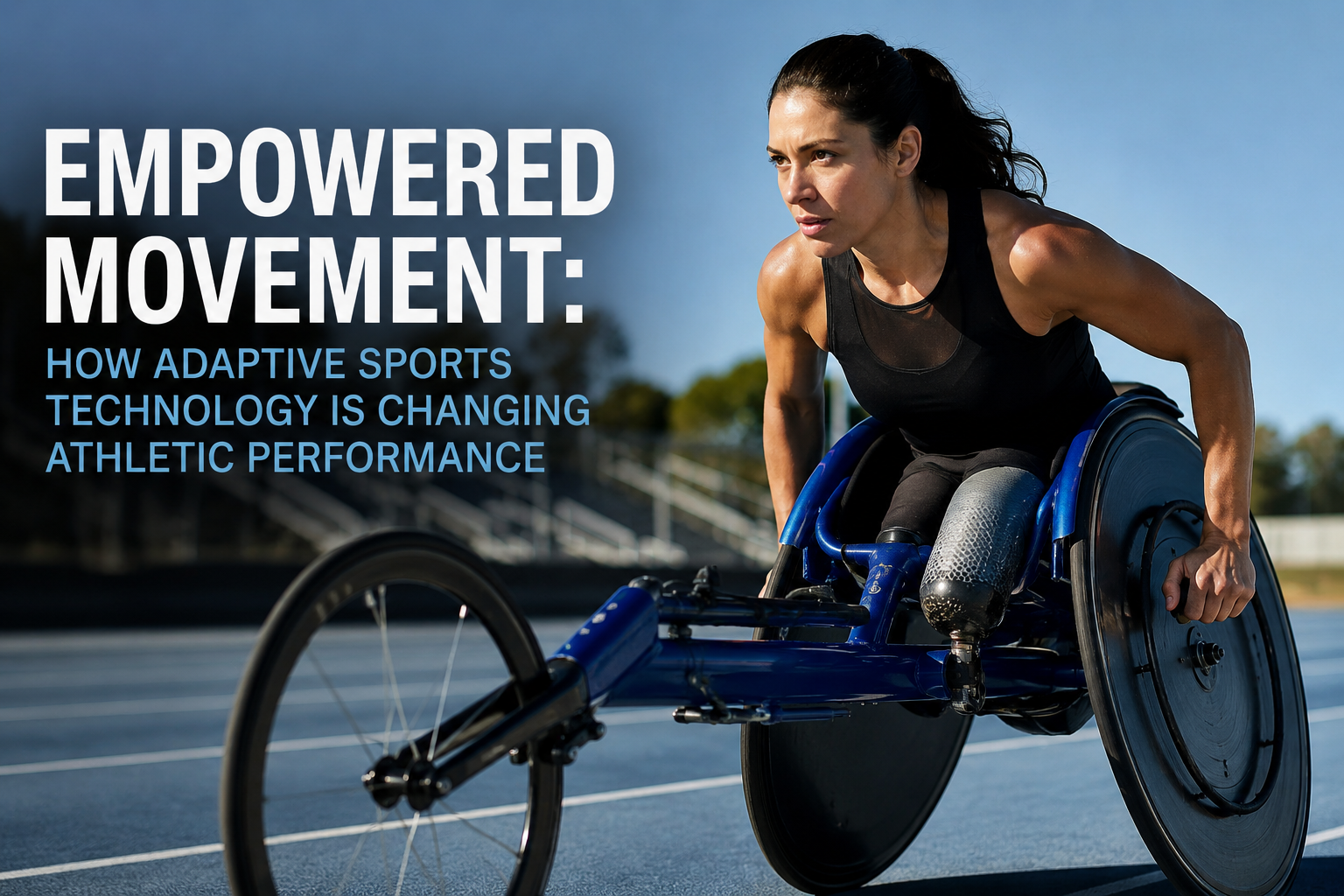
Adaptive sports technology is transforming the world of athletics by creating new opportunities for individuals with mobility challenges to participate, compete, and excel at every level of sport. Innovations such as lightweight carbon fiber prosthetic limbs, advanced sport-specific wheelchairs, adaptive bicycles, and customized mobility equipment are enabling athletes to achieve levels of performance that were once considered impossible. These technologies are carefully engineered to maximize speed, agility, endurance, and control while meeting the unique needs of each athlete.
Beyond physical equipment, the integration of wearable sensors, smart monitoring devices, and artificial intelligence-driven performance analytics is helping athletes and coaches gain deeper insights into training effectiveness. Real-time data collection allows for more precise adjustments to technique, workload, and recovery strategies, reducing the risk of injury while improving overall performance. Advanced motion-tracking systems can identify inefficiencies in movement patterns, enabling athletes to refine their skills and compete more effectively.
The impact of adaptive sports technology extends far beyond athletic achievement. Participation in sports has been shown to improve physical health, mental well-being, self-confidence, and social engagement. For many athletes with disabilities, access to adaptive equipment provides a greater sense of independence and empowerment, allowing them to pursue personal goals and competitive ambitions without unnecessary limitations. These advancements also help break down societal barriers by increasing visibility and representation of athletes with disabilities on local, national, and international stages.
As research and innovation continue to advance, adaptive sports technology is becoming more accessible, affordable, and effective. The growing collaboration between engineers, medical professionals, sports scientists, and athletes is driving the development of next-generation solutions that further enhance performance and inclusivity. From recreational sports participants to Paralympic champions, adaptive technology is reshaping the future of athletics, demonstrating that determination, talent, and opportunity—not physical limitations—define athletic potential.
Source Tag:
Author: Asmita Dabas Sangwan
Title: Innovating Inclusion: Adaptive Technology and Its Impact on Performance and Participation in Disability Sports
Date: August 2025
Summary: Explores prosthetics, assistive robotics, and wearable tech improving disability sports performance and inclusion.
Read the full article at https://www.researchgate.net/publication/394832752_Innovating_Inclusion_Adaptive_Technology_and_Its_Impact_on_Performance_and_Participation_in_Disability_Sports

Need help? Talk to our expert.
Connect with a trusted agent who knows the market inside out - whether you’re buying or selling.