
Mobility Innovation: Reimagining the Future of Human Movement
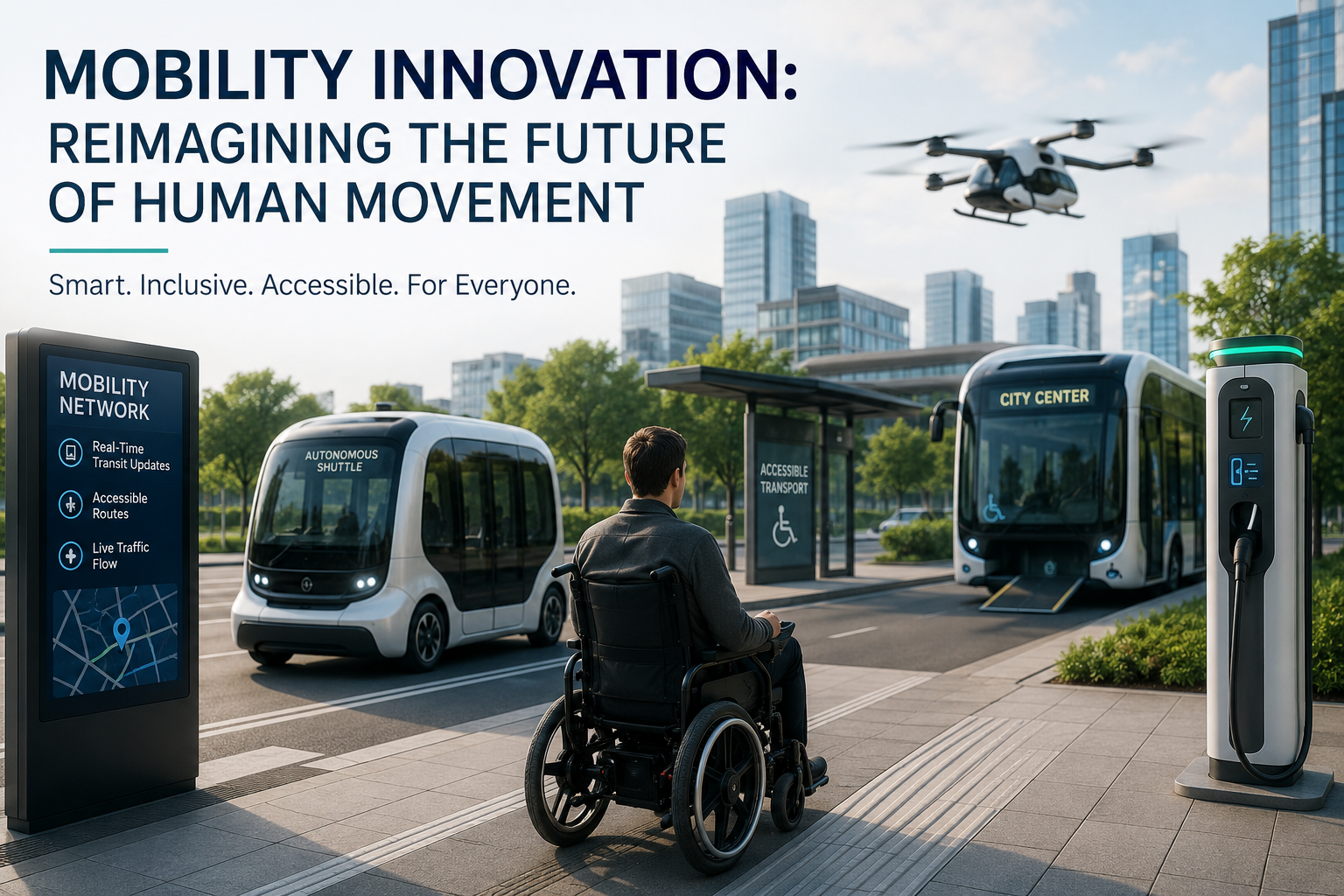
Mobility innovation is transforming the way people move through cities, interact with environments, and experience daily life. It encompasses a wide range of advancements including electric transportation, autonomous systems, assistive mobility devices, and smart infrastructure. At its core, mobility innovation is about creating systems that enhance freedom of movement, reduce barriers, and improve accessibility for all individuals, particularly those with physical disabilities.
Electric mobility devices are among the most visible developments in this field. Electric wheelchairs, scooters, and compact personal transport systems are providing users with greater independence and efficiency. These devices are designed with improved battery life, lightweight materials, and intelligent control systems that respond to user input with precision. For individuals with mobility challenges, these innovations represent a significant step toward autonomous movement in both indoor and outdoor environments.
Autonomous transportation systems are also reshaping mobility landscapes. Self-driving vehicles and automated public transit systems aim to reduce reliance on human operation while increasing accessibility for individuals who may not be able to drive traditional vehicles. These systems are being developed with integrated accessibility features such as voice control, adaptive seating, and real-time navigation assistance, ensuring that mobility innovation remains inclusive.
Smart infrastructure is another critical component of modern mobility systems. Cities are increasingly integrating sensors, data analytics, and connectivity solutions into transportation networks. These systems monitor traffic flow, optimize routes, and provide real-time updates to users. For individuals with mobility impairments, this means improved predictability and reduced travel uncertainty. Mobility becomes not just physical movement but an informed and supported experience.
Assistive mobility technology continues to advance rapidly. From exoskeletons that support walking rehabilitation to adaptive driving systems that allow individuals with limited limb function to operate vehicles, innovation is expanding the boundaries of independence. These technologies are often customized to individual needs, reflecting a shift toward personalized mobility solutions.
Despite these advancements, accessibility gaps remain, particularly in developing regions where infrastructure and funding are limited. The high cost of advanced mobility devices also limits widespread adoption. Addressing these challenges requires coordinated efforts between governments, private sectors, and technology developers to ensure equitable access to mobility innovation.
The future of mobility innovation lies in integration. As electric systems, artificial intelligence, and assistive technologies converge, mobility will become increasingly seamless, adaptive, and inclusive. The ultimate goal is a world where movement is not defined by physical ability but by access to intelligent, responsive systems that support every individual.
Mobility innovation is not simply about transportation. It is about freedom, dignity, and participation. It represents a shift toward a world where movement is universally accessible and continuously evolving to meet human needs.

Need help? Talk to our expert.
Connect with a trusted agent who knows the market inside out - whether you’re buying or selling.